
Total Joint Migration To The Outpatient Setting Continues To Accelerate In 2026
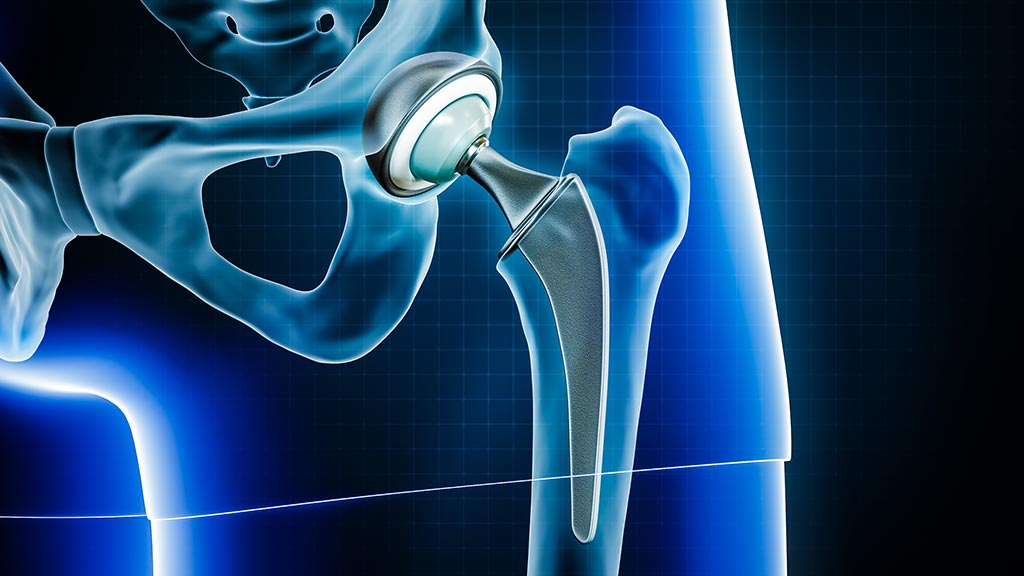
Total Joint Migration To The Outpatient Setting Continues To Accelerate In 2026. Data from CMS and commercial payers shows that more than 65–70% of primary total knee arthroplasties are now being performed in outpatient settings, compared to less than 15% just five years ago. Total hip replacements are following a similar trajectory, with outpatient volumes now exceeding 55% nationally and projected to surpass 70% by 2028.
The shift accelerated after CMS removed total knee arthroplasty from the inpatient-only list in 2018 and later added total hip arthroplasty to the ASC-covered procedure list. Since then, payer adoption has followed quickly. In 2025 alone, more than 30 major commercial payers expanded outpatient eligibility criteria for joint replacement procedures, particularly for low-risk patients.
The financial implications are substantial. Hospital-based total joint procedures often cost $28,000–$38,000 per case, while outpatient surgery center pricing typically ranges from $14,000–$22,000. Employers and insurers are increasingly steering patients toward outpatient centers, creating cost savings of 30–50% per procedure. Large self-insured employers report annual savings exceeding $2–5 million after implementing outpatient joint replacement pathways.
Advances in anesthesia and perioperative protocols are also driving migration. The use of spinal anesthesia, regional nerve blocks, and multimodal pain management has significantly reduced length of stay. Many high-performing ASCs now report same-day discharge rates exceeding 90% for total knees and 85% for total hips in carefully selected patients.
Complication rates remain low. Studies published in 2024 and 2025 show 30-day readmission rates for outpatient total joints ranging from 1.5% to 3%, comparable to or lower than hospital-based procedures. Infection rates remain below 1% in most outpatient centers, further supporting migration trends.
Surgeon economics are also contributing to the shift. Outpatient total joint programs often improve surgeon efficiency, allowing 3–4 joint cases per day compared to 2–3 in hospital settings. This increase in throughput can significantly enhance surgeon productivity and facility margins.
The pipeline continues to expand. Shoulder arthroplasty, partial knee replacement, and even select revision procedures are increasingly moving outpatient. Industry forecasts suggest outpatient joint replacement volumes will grow 12–15% annually through 2030.
Total joints are no longer gradually migrating outpatient.
They are moving rapidly — and permanently.