
The Great Spine Pivot: Leveraging the Three-Year CMS Phase-Out of Inpatient Musculoskeletal Lists
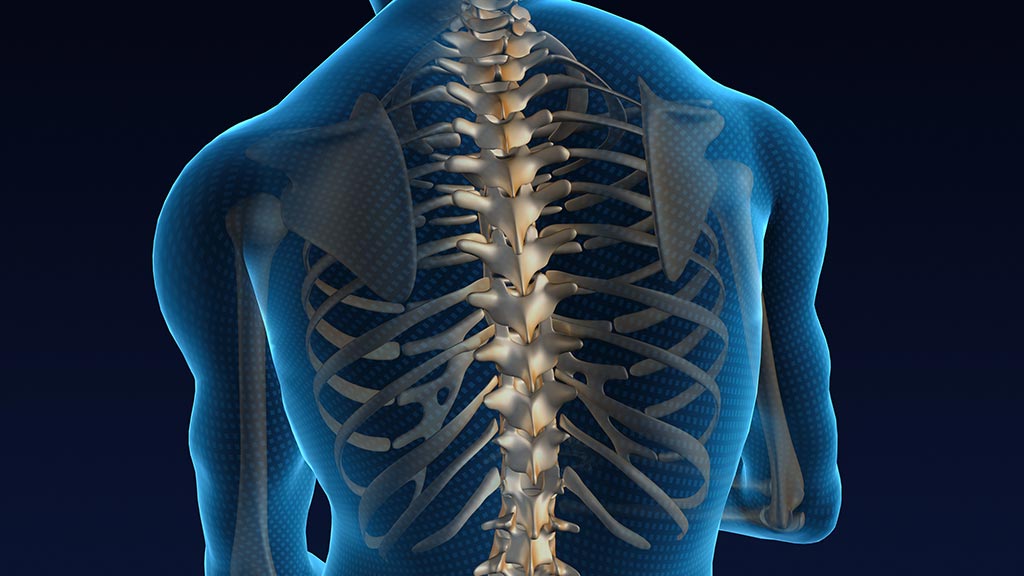
Ambulatory spine programs are scaling up operations rapidly as CMS executes a massive three-year regulatory phase-out of 285 musculoskeletal codes from the inpatient-only list. Under the finalized 2026 ASC payment rules, critical high-acuity spinal procedures, including posterior lumbar interbody fusions, are fully eligible for outpatient facility reimbursement. Pure-play spine manufacturers are responding by offering simplified, modular instrument sets and flexible financing to lower initial ASC capital entry barriers. At the same time, the transition toward endoscopic lumbar and cervical decompressions is dropping 90-day readmission rates and driving significant overall healthcare system savings. ASC leadership teams must upgrade clinical capabilities and train staff for these higher-acuity spinal segments to secure highly lucrative, bundled market share as complex caseloads permanently flee hospital systems.
The underlying structural modifications by CMS include the formal introduction of a brand-new Level 7 Musculoskeletal Procedures APC (5117) to explicitly account for the elevated clinical resources required by advanced outpatient spine cases. This strategic structural split shifts complex operations away from Level 6 APCs—whose geometric mean costs sit at $18,337.97—and moves them into the newly established Level 7 tier, which boasts an impressive geometric mean cost of $28,285.22. This critical $10,000 regulatory payment differential gives surgery center administrators a massive financial buffer to expand their outpatient spine programs. To protect this newly available revenue stream from aggressive payer audits, centers must strictly enforce nonbinding physician safety considerations, including rigorous documentation regarding the lack of direct major vessel involvement or extensive emergent blood loss requirements. Capturing this migration wave early allows independent ASCs to permanently dominate the local high-acuity musculoskeletal market space.