
Pediatric Spine Surgery Tests Spring Rods That Could Reduce the Burden of Repeated Procedures
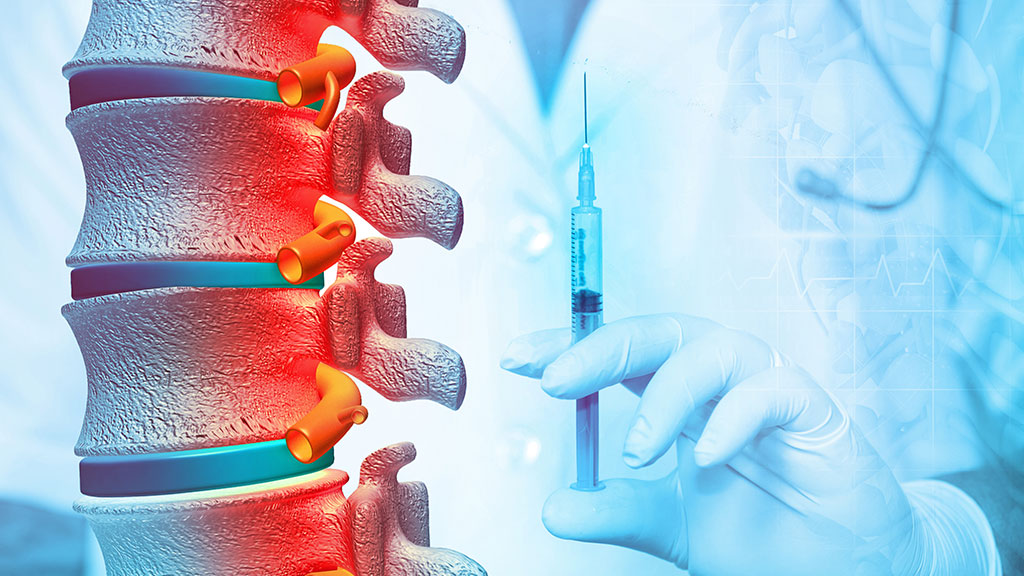
Children’s Hospital Los Angeles reported October 19 that it had become the first pediatric hospital on the West Coast to implant the Spring Distraction System for early onset scoliosis. Its surgeons had treated two patients with the system at the time of the announcement.
The device received FDA clearance in January and has been used in Europe for roughly a decade, according to the hospital. Its springs apply ongoing distraction while allowing movement and expansion as the child grows. CHLA contrasts that approach with traditional growing rods, which may require surgical lengthening approximately every six months, and magnetic rods, which require periodic clinic adjustments.
The system is intended to reduce the need for repeated lengthening procedures and preserve flexibility. Retensioning surgery may still be needed after several years. CHLA also identifies a current limitation: only one size is available in the United States, making it unsuitable for some very thin children.
This is a pediatric hospital development, not an announcement that the procedure belongs in a freestanding ASC. Its relevance to the wider business of surgery is how a device can change the number and timing of future encounters.
When a treatment reduces repeat procedures, the analysis should include the whole course of care. Families may face fewer anesthetics, less travel and fewer days away from school or work. Providers need to understand how surveillance, adjustment and eventual definitive treatment will be organized.
Those potential benefits also require measurement. Two local cases cannot establish a complication rate, quantify savings or demonstrate superior outcomes. A responsible evaluation would examine revision procedures, infection, curve correction, preserved movement and the burden of follow-up over several years.
For surgical leaders, this offers a useful reminder when evaluating innovation: the value may emerge between operations. A device that changes how often patients return can alter staffing, follow-up capacity and the patient’s experience even if the initial operation remains demanding.
The October report documents early U.S. adoption. The questions now are which children benefit, how durable that benefit proves and what resources are needed to support them throughout treatment. Follow-up will be particularly important.