
Anesthesia Equipment Depreciation: The Financial Pivot to Device-As-A-Service
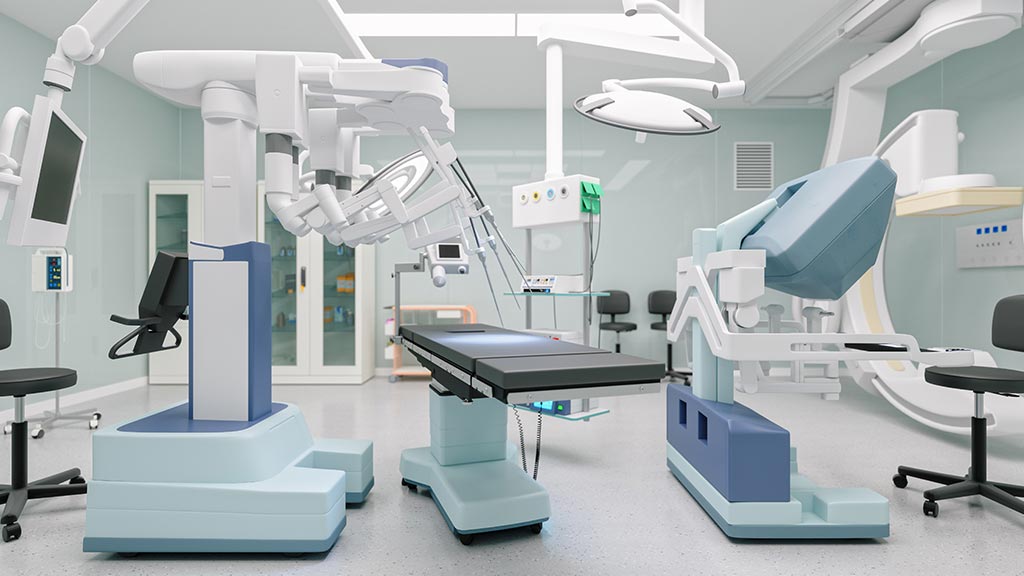
As inflationary pressures and rising labor costs compress outpatient margins, surgery center chief financial officers are increasingly reexamining traditional capital expenditure strategies. Historically, upgrading a center’s clinical infrastructure required substantial upfront investment in anesthesia workstations, monitoring systems, ventilators, and related equipment. In today’s environment, many healthcare organizations are increasingly evaluating leasing arrangements, managed equipment services, and subscription-style technology agreements as alternatives to conventional ownership models.
This marketplace shift toward flexible equipment acquisition strategies is changing how anesthesia technology is financed and managed. Mapping the tax implications of operating leases versus capital ownership continues to be an important component of long-term financial planning. Shifting equipment acquisition from a traditional capital expenditure model toward a more predictable operating expense structure can preserve liquidity for physician recruitment initiatives, facility expansion projects, and strategic investments. Depending on vendor terms, certain managed equipment arrangements may provide greater operational flexibility while reducing upfront capital requirements. In addition, some programs incorporate lifecycle management services, software updates, maintenance support, and technology refresh schedules that help facilities maintain current equipment without large periodic replacement expenditures. For many organizations, the question is no longer whether technology must be upgraded, but rather which financing structure best aligns with long-term operational and financial objectives.