
Perioperative glucose testing
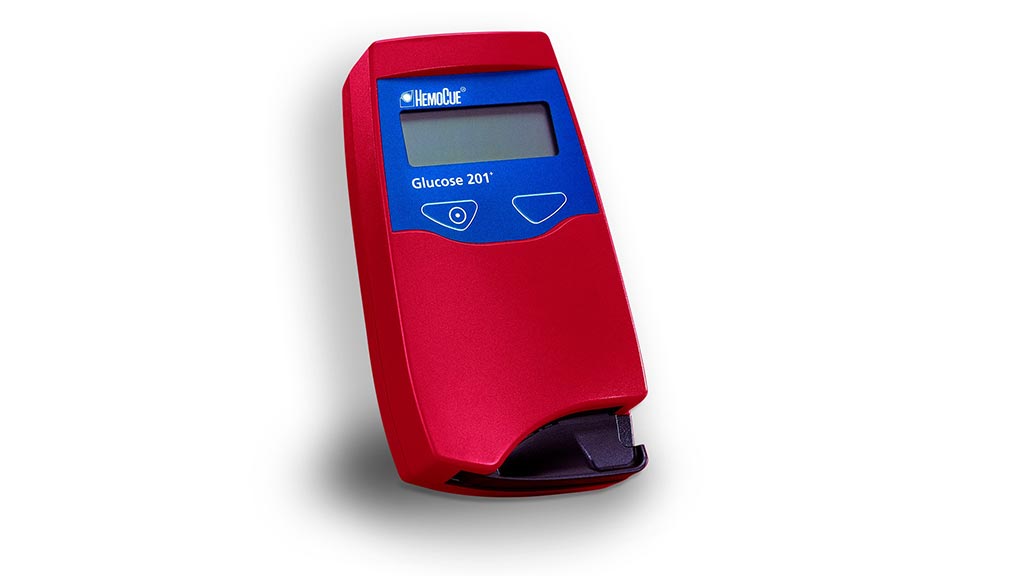
Perioperative glucose testing in ambulatory surgery centers has evolved from a routine checkbox into a measurable driver of outcomes, cost, and efficiency. Multiple studies show that perioperative hyperglycemia, commonly defined as glucose levels above 180 mg per dL, increases surgical site infection risk by up to two to threefold. Even transient elevations above 150 mg per dL impair leukocyte function and delay wound healing. In diabetic patients, maintaining glucose between 140 and 180 mg per dL during the perioperative period reduces complications without significantly increasing hypoglycemia risk.
The challenge in ASCs is execution. Point of care glucose devices are convenient but vulnerable to inaccuracies during physiologic stress. Anemia, hypothermia, hypotension, and rapid fluid shifts can produce deviations of 10 to 20 percent compared to laboratory values. In high efficiency ASC environments, those discrepancies matter. Falsely low readings may delay treatment, while falsely elevated values can result in unnecessary insulin administration and hypoglycemia.
Operational gaps remain common. Many centers lack standardized protocols regarding timing of glucose checks, intraoperative monitoring frequency, and intervention thresholds. Staff training and quality control processes, including calibration and device validation, are inconsistently applied.
Leading ASCs now approach glucose testing as a coordinated system. Standardized workflows, defined glycemic targets, and routine competency assessments improve outcomes, shorten recovery times, reduce unplanned admissions, and create more predictable discharge patterns. In an industry driven by efficiency, perioperative glucose management has become both a clinical and operational priority.